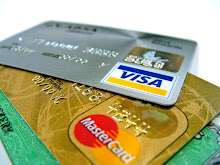
How would you like to pay off your mortgage early? Although it may sound difficult, it is possible to pay off your 30 year mortgage in 10 years or less by following a few simple steps. Paying off your mortgage could mean hundreds of extra dollars in your pocket each month. Here are 5 steps to pay off your mortgage faster.
1. Don't charge on your credit cards!
One of the first steps to getting out of debt is to avoid using your credit cards. You can't get out of debt and pay off your mortgage if you keep using your credit cards. When you go shopping, keep them at home. This will remove the temptation to use them and run up more debt.
2. Cut back and live within your means.
Start paying cash. Find ways to save money by reducing your monthly expenses. See if you can find a certain amount in your budget each month to start paying down on your debts. For example, maybe you could find a better deal on car insurance and apply that savings to paying off debt. How about using coupons at the grocery store and saving 10% on your bill each time? Little savings here and there can really add up. How much is not having a house payment worth to you?
3. After you have figured out how much extra money you can save each month, start applying these savings to paying down debt.
Remember that this is a process that could take a little time. You could discover some ways to save money next week, and then find a new way next week. It will really pay off when you no longer have to shell out big bucks for a house payment each month.
4. Here's how to apply the extra money you find towards your debts.
Begin by paying off your credit cards. Focus on paying off one credit card at a time. Focus all of your efforts on that one card until it's completely gone! Once your first credit card has been paid off, then focus on your next one.
After paying off all of your credit cards, start attacking your car payments. At this point, you should have quite a bit of extra money coming in each month since you have paid off your credit cards. Use this money to pay down your car loan.
5. Now that you no longer have car payments, start on your house.
Next, you'll pay off your mortgage. Just take the money that you were wasting on your credit card and car payments and use it to pay off your mortgage.
By focusing on these steps, you can have your 30 year mortgage paid off in 10 years or less! Now, how much extra money would you have this month if you didn't have any credit card payments, car payments, or a house payment? Use this proven system and find out!
Pay Off 30 Year Mortgage in 10 Years - Discover our #1 debt elimination couse that has helped many people obtain a debt-free, stress-free lifestyle.
(This one resource has helped hundreds of people.)
Can you afford not to have this information?
Visit http://www.debtintowealth.org for immediate access.
Showing posts with label pay off mortgage early. Show all posts
Showing posts with label pay off mortgage early. Show all posts
Wednesday, October 21, 2009
Tuesday, October 13, 2009
Should I Pay Off My Mortgage? - The Truth
Most people know that getting a mortgage is one of the biggest expenses in life. Recently, some people have been asking the question, "Should I pay off my mortgage?" or "Is it smart to pay off your mortgage?" Read on to discover the truth to these questions.
First let's talk about interest rates. Many people wonder if they should pay off their mortgage if they have a low interest rate. For example, they may have a 6% interest rate on their house and have been told that it's not smart to pay it off.
The truth is that nobody has a 6% interest rate. If you don't believe me, just look at your mortgage statement. Notice how the principal is really small and the interest is really big? Notice how 85% to 90% of your house payment goes to profit for the bank? The mortgage company always collects their profit up front for the first few years of the loan. So it's not really a 6% interest rate unless you pay it off during the first year! Now who does that?
Second, let's talk about a common myth - the mortgage tax deduction. How you ever heard someone say, "Don't give up your mortgae. It's the last best tax deduction that you have!" You know what? It's a lie.
Yes your mortgage is a tax deduction. But here's the truth - you're going to pay about 3 times the price of your house during the time you're in debt for 30 years.
Also, let's say that you're in the 30% tax bracket. Well, that means that the government is going to give you 30 cents for every $1 that you pay in interest. Wow! Does that sound like a good deal? To give the banks $1 and you get 30 cents back? That's what this so-called great "tax deduction" is about. If someone thinks that trading $1 for 30 cents is a good deal, then they need to have their head examined!
Also, here something that you may not know. Do you realize that the average person moves once every 7 years? Remember how the banks always collect their interest (profit) upfront before you actually start paying down your loan? This means that if you move once every 7 years, then you'll always be at the beginning part of a home loan paying 90% interest! This causes most people to have very little equity in their home when they decide to move because they have given most of their money to the bank!
Here's another little known fact. The word "mortgage" comes from the Latin word mortuus which means "death." The word "gage" means to pledge or grip. So you can see that the word mortgage really means "death grip!" There's no question that a mortgage is a long term burden that most people would be better without.
Paying off a mortgage is about more than just numbers and figures. It's about the choice of freedom. Freedom from all debt payments. What would your life be like if you had no mortgage payment, car payments, or credit card payments? How much better off would you be? Could you make some different choices in your life? Maybe you could stop going to the job you hate because "it pays the bills" and do something else instead.
You see, being debt free is really about taking back control of your life! So the answer to the questions, "Should I pay off my mortgage" and "Is it smart to pay off my mortgage?" are a loud "YES!" As fast as you can.
Should I Pay Off Mortgage? - Discover how to pay off your 30 year mortgage in 10 years or less.
Sign up for the #1 debt elimination course that has helped many people obtain a debt-free, stress-free lifestyle.
(This one resource has helped hundreds of people.)
Can your family afford not to have this information?
Visit http://www.debtintowealth.org for immediate access.
First let's talk about interest rates. Many people wonder if they should pay off their mortgage if they have a low interest rate. For example, they may have a 6% interest rate on their house and have been told that it's not smart to pay it off.
The truth is that nobody has a 6% interest rate. If you don't believe me, just look at your mortgage statement. Notice how the principal is really small and the interest is really big? Notice how 85% to 90% of your house payment goes to profit for the bank? The mortgage company always collects their profit up front for the first few years of the loan. So it's not really a 6% interest rate unless you pay it off during the first year! Now who does that?
Second, let's talk about a common myth - the mortgage tax deduction. How you ever heard someone say, "Don't give up your mortgae. It's the last best tax deduction that you have!" You know what? It's a lie.
Yes your mortgage is a tax deduction. But here's the truth - you're going to pay about 3 times the price of your house during the time you're in debt for 30 years.
Also, let's say that you're in the 30% tax bracket. Well, that means that the government is going to give you 30 cents for every $1 that you pay in interest. Wow! Does that sound like a good deal? To give the banks $1 and you get 30 cents back? That's what this so-called great "tax deduction" is about. If someone thinks that trading $1 for 30 cents is a good deal, then they need to have their head examined!
Also, here something that you may not know. Do you realize that the average person moves once every 7 years? Remember how the banks always collect their interest (profit) upfront before you actually start paying down your loan? This means that if you move once every 7 years, then you'll always be at the beginning part of a home loan paying 90% interest! This causes most people to have very little equity in their home when they decide to move because they have given most of their money to the bank!
Here's another little known fact. The word "mortgage" comes from the Latin word mortuus which means "death." The word "gage" means to pledge or grip. So you can see that the word mortgage really means "death grip!" There's no question that a mortgage is a long term burden that most people would be better without.
Paying off a mortgage is about more than just numbers and figures. It's about the choice of freedom. Freedom from all debt payments. What would your life be like if you had no mortgage payment, car payments, or credit card payments? How much better off would you be? Could you make some different choices in your life? Maybe you could stop going to the job you hate because "it pays the bills" and do something else instead.
You see, being debt free is really about taking back control of your life! So the answer to the questions, "Should I pay off my mortgage" and "Is it smart to pay off my mortgage?" are a loud "YES!" As fast as you can.
Should I Pay Off Mortgage? - Discover how to pay off your 30 year mortgage in 10 years or less.
Sign up for the #1 debt elimination course that has helped many people obtain a debt-free, stress-free lifestyle.
(This one resource has helped hundreds of people.)
Can your family afford not to have this information?
Visit http://www.debtintowealth.org for immediate access.

Friday, October 2, 2009
A Mortgage Early Payoff System - Do's and Don'ts
Most people would like to follow a mortgage early payoff system. That can be a very difficult thing to get right. So here are some do's and don'ts to follow when considering a mortgage early payoff system:
First, let's talk about the don'ts:
Don't keep charging excessively on your credit cards It's hard to get out of debt if you keep putting yourself right back into it. Limit or total eliminate credit card use altogether.
Don't keep your mortgage just because you've been told that it's a great tax deduction This is crazy. If you're in the 30% tax bracket, then the government will give you 30 cents for every dollar in interest that you spend. Do you really think that trading a dollar for 30 cents is a good deal?
Don't worry about interest rates. This will go against almost everything that you hear, but here's the truth: interest rates really don't matter when paying off debt. What matters is how quickly you can pay them off. We'll talk more about this in a minute.
Now, let's talk about the do's:
Find some extra money to start paying down debt. Look for this money in your monthly expenses. Is there an area that you can cut back and find some extra money? For example, could you eat out a little less and make healthy meals at home? Or, if you're getting a big tax refund every year, maybe you could have less taxes taken out at work and use more of that money to pay off debt. Just ask your payroll department at work.
Use the extra money that you find to pay down on debt. Just list all of your debts from the smallest balance to the largest balance. Now, focus on paying off your smallest debt first. For most people, they will list their credit cards first, then car payments, and then a mortgage. Start paying off your debts in this order. After you pay off your credit cards and car payments, then you should have a lot of money coming in each month to pay down your mortgage.
Once your mortgage has been paid off, then start investing in your future. After your house has been paid, then you'll have a lot of money coming into your life because these monthly payments are gone. Use that money to start investing in your retirement.
Most people who use this mortgage early payoff system can be completely debt free in 5-10 years. Put this system to use and see the results in your life, also.
There are plenty of resources out there that can help you focus on your goal of a mortgage early payoff. Reading articles like this one is a great start.
But where can you find the right information to help get rid of your debts?
Mortgage Early Payoff - Discover the #1 debt elimination course that has helped over 300 people obtain a debt-free, stress-free lifestyle.
(This one resource has helped hundreds of people.)
Can you afford not to have this information?
Visit http://www.debtintowealth.org for immediate access.
First, let's talk about the don'ts:
Don't keep charging excessively on your credit cards It's hard to get out of debt if you keep putting yourself right back into it. Limit or total eliminate credit card use altogether.
Don't keep your mortgage just because you've been told that it's a great tax deduction This is crazy. If you're in the 30% tax bracket, then the government will give you 30 cents for every dollar in interest that you spend. Do you really think that trading a dollar for 30 cents is a good deal?
Don't worry about interest rates. This will go against almost everything that you hear, but here's the truth: interest rates really don't matter when paying off debt. What matters is how quickly you can pay them off. We'll talk more about this in a minute.
Now, let's talk about the do's:
Find some extra money to start paying down debt. Look for this money in your monthly expenses. Is there an area that you can cut back and find some extra money? For example, could you eat out a little less and make healthy meals at home? Or, if you're getting a big tax refund every year, maybe you could have less taxes taken out at work and use more of that money to pay off debt. Just ask your payroll department at work.
Use the extra money that you find to pay down on debt. Just list all of your debts from the smallest balance to the largest balance. Now, focus on paying off your smallest debt first. For most people, they will list their credit cards first, then car payments, and then a mortgage. Start paying off your debts in this order. After you pay off your credit cards and car payments, then you should have a lot of money coming in each month to pay down your mortgage.
Once your mortgage has been paid off, then start investing in your future. After your house has been paid, then you'll have a lot of money coming into your life because these monthly payments are gone. Use that money to start investing in your retirement.
Most people who use this mortgage early payoff system can be completely debt free in 5-10 years. Put this system to use and see the results in your life, also.
There are plenty of resources out there that can help you focus on your goal of a mortgage early payoff. Reading articles like this one is a great start.
But where can you find the right information to help get rid of your debts?
Mortgage Early Payoff - Discover the #1 debt elimination course that has helped over 300 people obtain a debt-free, stress-free lifestyle.
(This one resource has helped hundreds of people.)
Can you afford not to have this information?
Visit http://www.debtintowealth.org for immediate access.
Thursday, October 1, 2009
Early Mortgage Payoff - Joe's Success Story
Joe was like most people who, at one point in life, wanted to get rid of all of his debts and have more control over his own future. He did what a lot of people did, which was to pay a little here and there on his debts and failed. However, Joe was different than most people, he didn't give up on his first try. He wanted an early mortgage payoff.
Most people who try to get out of debt fail. It's because they don't have any focus. Of course, this is understandable. How often do we do something right the first time we attempt it? What Joe discovered was a way to focus paying off his debts in a way that would make it impossible to fail. It was a simple math system that took advantage of the fact that he was deeply in debt.
Joe had the typical debt that everyone else had. He had credit cards, car payments, student loans, and even a mortgage. He knew that if all of this money wasn't going out then he could keep most of it and actually live a nice life. He also knew that he wouldn't have to face the pressure of going to work each day at a job he didn't like because, "it paid the bills." Joe was desperately trying to find a way out.
Then, one day he discovered a unique system called the focused payoff method. With this system, Joe starting listing all of his debts. He made a chart that had the following columns at the top: name of debt, mimimum payment, and total balance owed. Joe listed his debts from smallest to largest in the order that he would pay them off. Most people are worried about interest rates, but Joe knew that it didn't matter. He would just list his debts in this order from the smallest to largest. Then he would focus on paying off the first one and only the first one. He would see success faster by paying off his smallest debts first. He knew that after paying off the first one, he would be more motivated to pay off the second, third, and the rest.
So that's exactly what Joe did. He found some extra money in his monthly expense to start paying off debt. He was able to save money by not eating out at work as much. Instead, he brown bagged his lunch a couple times of week. Also, he had less money taken out of his paycheck in taxes by ajusting his witholding. He just talked to the payroll department at work and filled out a new form. He found other areas in his life to save money on that was being wasted on unnescessary expenses.
When Joe started applying this extra money to his first debt, he was amazed. His credit cards were paid off in a matter of months, not years. Then he paid off his cars. After his credit cards and cars were paid off, he started attacking the mortgage. Joe had quite a bit of money coming in that he was wasting on credit cards and car payments. He used this extra money to pay down on his mortgage. Of course the mortgage took awhile to pay off, but not 30 years. Joe just kept sticking to the plan and paid all of his debts off, including his mortgage in 6 years!
Today Joe doesn't have a house payment, credit card payments, or car payments. He can pay cash for most things, and if he does use a credit card, he pays off the balance quickly. More importantly, Joe is using this extra money to start investing in his retirement. He knows that someday he'd like to enjoy his retirement and travel around the world. He is happier and living a debt-free, stress free live. It all began when he decided to follow this system for an early mortgage payoff.
There are plenty of resources out there that can help you focus on your goal of becoming debt-free. Reading articles like this one is a great start.
But where can you find the right information to help pay off your mortgage faster?
Early Mortgage Payoff - Discover the #1 debt elimination course that has helped over 300 people obtain a debt-free, stress-free lifestyle.
(This one resource has helped hundreds of people.)
Can you afford not to have this information?
Visit http://www.debtintowealth.org for immediate access.
Most people who try to get out of debt fail. It's because they don't have any focus. Of course, this is understandable. How often do we do something right the first time we attempt it? What Joe discovered was a way to focus paying off his debts in a way that would make it impossible to fail. It was a simple math system that took advantage of the fact that he was deeply in debt.
Joe had the typical debt that everyone else had. He had credit cards, car payments, student loans, and even a mortgage. He knew that if all of this money wasn't going out then he could keep most of it and actually live a nice life. He also knew that he wouldn't have to face the pressure of going to work each day at a job he didn't like because, "it paid the bills." Joe was desperately trying to find a way out.
Then, one day he discovered a unique system called the focused payoff method. With this system, Joe starting listing all of his debts. He made a chart that had the following columns at the top: name of debt, mimimum payment, and total balance owed. Joe listed his debts from smallest to largest in the order that he would pay them off. Most people are worried about interest rates, but Joe knew that it didn't matter. He would just list his debts in this order from the smallest to largest. Then he would focus on paying off the first one and only the first one. He would see success faster by paying off his smallest debts first. He knew that after paying off the first one, he would be more motivated to pay off the second, third, and the rest.
So that's exactly what Joe did. He found some extra money in his monthly expense to start paying off debt. He was able to save money by not eating out at work as much. Instead, he brown bagged his lunch a couple times of week. Also, he had less money taken out of his paycheck in taxes by ajusting his witholding. He just talked to the payroll department at work and filled out a new form. He found other areas in his life to save money on that was being wasted on unnescessary expenses.
When Joe started applying this extra money to his first debt, he was amazed. His credit cards were paid off in a matter of months, not years. Then he paid off his cars. After his credit cards and cars were paid off, he started attacking the mortgage. Joe had quite a bit of money coming in that he was wasting on credit cards and car payments. He used this extra money to pay down on his mortgage. Of course the mortgage took awhile to pay off, but not 30 years. Joe just kept sticking to the plan and paid all of his debts off, including his mortgage in 6 years!
Today Joe doesn't have a house payment, credit card payments, or car payments. He can pay cash for most things, and if he does use a credit card, he pays off the balance quickly. More importantly, Joe is using this extra money to start investing in his retirement. He knows that someday he'd like to enjoy his retirement and travel around the world. He is happier and living a debt-free, stress free live. It all began when he decided to follow this system for an early mortgage payoff.
There are plenty of resources out there that can help you focus on your goal of becoming debt-free. Reading articles like this one is a great start.
But where can you find the right information to help pay off your mortgage faster?
Early Mortgage Payoff - Discover the #1 debt elimination course that has helped over 300 people obtain a debt-free, stress-free lifestyle.
(This one resource has helped hundreds of people.)
Can you afford not to have this information?
Visit http://www.debtintowealth.org for immediate access.
Friday, September 25, 2009
Pay Off Mortgage Faster Plan - 5 Ways to Pay Off Your Mortgage Early
Many people would like to pay off their house faster. Having a mortgage in uncertain times is a major cause of stress in life. If this describes you, then try this pay off mortgage faster plan that has helped over many people to a mortgage-free life.
First, you'll need to come up with a monthly amount that you can use to pay down your debts. Start by looking at your expenses and see where you can cut back. If you can't find ways to cut expenses, then can you find a way to earn more money? Either way, you'll need to find some extra money to get the process going.
Second, make a list of all of your debts from smallest to largest. For most people, there debt list will range from credit cards, to car payments, to their mortgage. Usually the mortgage is always last because it's the one that you owe the most on.
Third, let's start attacking your credit cards first. A journey begins with one step. If you take on your big mortgage first, then you may be too tired before you start. Let's start paying off our smaller debts first and build up some momentum.
Fourth, after you've paid off your credit cards, then start paying down your car. By this point, you'll have extra money coming in each month because you'll no longer have monthly credit card payments. Use this extra money to pay off your car.
Fifth, after you've paid off your car, then start going after your mortgage. If you've been paying down a lot of debts at this point, then it's ok to take a break for a month or two. In fact, you may want to celebrate your success by saving up some of this extra money coming in and take a vacation - cash! Just be sure to get back on the plan and attack your mortgage. Use the money that you were wasting on credit cards and car payments to start paying off your house. If you do this right, most people can have all of their debts, including their home, paid for in 5 to 10 years! That sure beats being up to your eyeballs in credit card debt and having a big house payment after 29 years!
There are plenty of resources out there that can help you focus on your goal of becoming debt-free. Reading articles like this one is a great start.
But where can you find the right information to help pay off your mortgage faster?
Pay Off Mortgage Faster - Discover the #1 debt elimination course that has helped over 300 people obtain a debt-free, stress-free lifestyle.
(This one resource has helped hundreds of people.)
Can you afford not to have this information?
Visit http://www.debtintowealth.org for immediate access.
First, you'll need to come up with a monthly amount that you can use to pay down your debts. Start by looking at your expenses and see where you can cut back. If you can't find ways to cut expenses, then can you find a way to earn more money? Either way, you'll need to find some extra money to get the process going.
Second, make a list of all of your debts from smallest to largest. For most people, there debt list will range from credit cards, to car payments, to their mortgage. Usually the mortgage is always last because it's the one that you owe the most on.
Third, let's start attacking your credit cards first. A journey begins with one step. If you take on your big mortgage first, then you may be too tired before you start. Let's start paying off our smaller debts first and build up some momentum.
Fourth, after you've paid off your credit cards, then start paying down your car. By this point, you'll have extra money coming in each month because you'll no longer have monthly credit card payments. Use this extra money to pay off your car.
Fifth, after you've paid off your car, then start going after your mortgage. If you've been paying down a lot of debts at this point, then it's ok to take a break for a month or two. In fact, you may want to celebrate your success by saving up some of this extra money coming in and take a vacation - cash! Just be sure to get back on the plan and attack your mortgage. Use the money that you were wasting on credit cards and car payments to start paying off your house. If you do this right, most people can have all of their debts, including their home, paid for in 5 to 10 years! That sure beats being up to your eyeballs in credit card debt and having a big house payment after 29 years!
There are plenty of resources out there that can help you focus on your goal of becoming debt-free. Reading articles like this one is a great start.
But where can you find the right information to help pay off your mortgage faster?
Pay Off Mortgage Faster - Discover the #1 debt elimination course that has helped over 300 people obtain a debt-free, stress-free lifestyle.
(This one resource has helped hundreds of people.)
Can you afford not to have this information?
Visit http://www.debtintowealth.org for immediate access.
Wednesday, September 23, 2009
Pay Mortgage Off
Do you realize that you'll pay 3 times the value of your house if you have a 30 year mortgage? That's why many people want a pay mortgage off plan to get free. But coming up with the right strategy can seem like one of the toughest things on the planet to do. Here is a plan that I used several years ago to become debt free - it's called the focused payoff method.
Here are the steps to follow:
1. Live without credit cards. Stop digging the hole deeper by charging more debt on your credit card. Use a debit card instead if you feel the need to carry plastic. If it's a true "emergency" see if you can wait 24 hours. It may put things in more perspective for you.
2. Find some extra money to pay off debt. Let's face it. It you're ever going to pay off your mortgage, then you'll have to come up with some extra money. It doesn't have to be much. Just a consistent amount each month to focus on paying off debt. It could be as little as $50 to $500 - it's up to you.
3. Get out a sheet of paper and list your debts from smallest to largest. This is the order in which you'll focus on paying your debts. For most people, they'll list their credit cards, car payments, and then mortgage.
4. Apply the extra money each month to your smallest debt. Just focus on paying off this one first. Some people like to bounce around and pay on one debt and then another. This doesn't get you anywhere but confused. Just focus on paying one debt at a time and see what the power of concentration can do for you. After that one debt has been paid, then focus on paying down the second debt. After that, pay down the third debt and so on.
5. When you get to your mortgage, you should have a large amount of money to pay it down each month. Think about it. What if you had no credit card payments or car payments? How much extra money would you have each month to apply to your mortgage. For most people, it's quite a bit.
By using this focused payoff method, most people can have all of their debts, including their mortgage, paid off in 5 to 10 years. Use this method to pay your mortgage off and start living live the way it was meant to be!
There are plenty of resources out there that can help you focus on your goal of becoming debt-free. Reading articles like this one is a great start.
But where can you find the right information to help get rid of your debts?
Pay Mortgage Off - Discover the #1 debt elimination course that has helped over 300 people obtain a debt-free, stress-free lifestyle.
(This one resource has helped hundreds of people.)
Can you afford not to have this information?
Visit http://www.debtintowealth.org for immediate access.
Here are the steps to follow:
1. Live without credit cards. Stop digging the hole deeper by charging more debt on your credit card. Use a debit card instead if you feel the need to carry plastic. If it's a true "emergency" see if you can wait 24 hours. It may put things in more perspective for you.
2. Find some extra money to pay off debt. Let's face it. It you're ever going to pay off your mortgage, then you'll have to come up with some extra money. It doesn't have to be much. Just a consistent amount each month to focus on paying off debt. It could be as little as $50 to $500 - it's up to you.
3. Get out a sheet of paper and list your debts from smallest to largest. This is the order in which you'll focus on paying your debts. For most people, they'll list their credit cards, car payments, and then mortgage.
4. Apply the extra money each month to your smallest debt. Just focus on paying off this one first. Some people like to bounce around and pay on one debt and then another. This doesn't get you anywhere but confused. Just focus on paying one debt at a time and see what the power of concentration can do for you. After that one debt has been paid, then focus on paying down the second debt. After that, pay down the third debt and so on.
5. When you get to your mortgage, you should have a large amount of money to pay it down each month. Think about it. What if you had no credit card payments or car payments? How much extra money would you have each month to apply to your mortgage. For most people, it's quite a bit.
By using this focused payoff method, most people can have all of their debts, including their mortgage, paid off in 5 to 10 years. Use this method to pay your mortgage off and start living live the way it was meant to be!
There are plenty of resources out there that can help you focus on your goal of becoming debt-free. Reading articles like this one is a great start.
But where can you find the right information to help get rid of your debts?
Pay Mortgage Off - Discover the #1 debt elimination course that has helped over 300 people obtain a debt-free, stress-free lifestyle.
(This one resource has helped hundreds of people.)
Can you afford not to have this information?
Visit http://www.debtintowealth.org for immediate access.
Saturday, January 10, 2009
Get Out Of Debt Now
 Get out of Debt Now: The Best Products you Can choose to help you get out of debt ...
So, you want to know the quickest and easiest way to get out of debt now?
Here, I will contrast and compare two of the most effective products on the market, and allow you to choose which one you think will work for you ...
"How to Own Your Paycheck Again" - 4 1/2 Stars
 If you want to know how to get completely out of debt and own your life again, then the best course on the market is "How to Own Your Own Paycheck Again," by Leo Quinn.
This one isn't cheap, but if you are serious about getting debt free, it will be worth every penny. You will learn how to pay off all of your debts, including your mortgage, in 5 to 10 years.
You won't have to pinch pennies or get a second job to make it happen. Imagine going to your mailbox with no house payment, car payments, or credit card bills waiting for you!
This course comes with a software program called, "The Debt Cruncher" to help you rank your debts in order for the quickest payoff. You don't have to be a math genius to apply these lessons.
In fact, this product has so many testimontials from everyday people who have used this system with great success in their lives! Just one month on this plan will save you tons of money that will pay for this course many times over.
To Find out more about "How to Own Your Paycheck Again," CLICK HERE
"Debt Free Living Club" - 5 Stars
 This is a much cheaper and better alternative to and is aimed at anyone who wants a FOCUSED plan of action each week. It is the "Debt Free Living Club" by Michael Harris. The Club has all of the benefits mentioned above with another bonus - weekly coaching. For a low monthly price, you'll get a "personal trainer" to help get your finances in shape and stay on target.
In this program, you'll learn everything you need to know to get completely out of debt. It is currently being offered at an introductory value that probably won't last much longer. With this club, you'll be able to construct your own debt free plan and make adjustments as you go. You'll get the unbelievable benefit of weekly coaching at an unheard of price! This is by far the best value for the money which is why we rate it 5 stars.
With this course, you'll get off to a quick start with weekly coaching, an 8 week action plan, and several bonuses that show you how to find money to pay off debt. Unlike some books you buy where after you read it, you wonder...ok, what's next? This will not leave you hanging or wondering what to do. With weekly action plans and weekly coaching you'll know exactly what step to take next.
Unbelievable value with tons of testimonials...
To find out more about the "Debt Free Living Club," CLICK HERE
Subscribe to:
Posts (Atom)